
We do
DIGITAL.
3d Scan and Print, CNC Milling, Laser Cutting, IOT
At UDT3d we utilise the latest 3D scanning equipment to create intricate digital models, converting real-world objects into precise digital replicas through advanced point cloud scanning techniques. These detailed models are then brought to life with state-of-the-art 3D printing technology, allowing us to produce high-quality prints in resilient resin and plastic. We can seamlessly integrate Internet of Things (IoT) technology into our processes, enhancing the functionality and connectivity of our printed designs making them not only beautiful but functional.
11
SLA Resin Printers
6
FDM Printers
4
CNC & Laser Cutters
Services
All of our services are interchangable and can be provided individually or in any combination
3d
Scanning
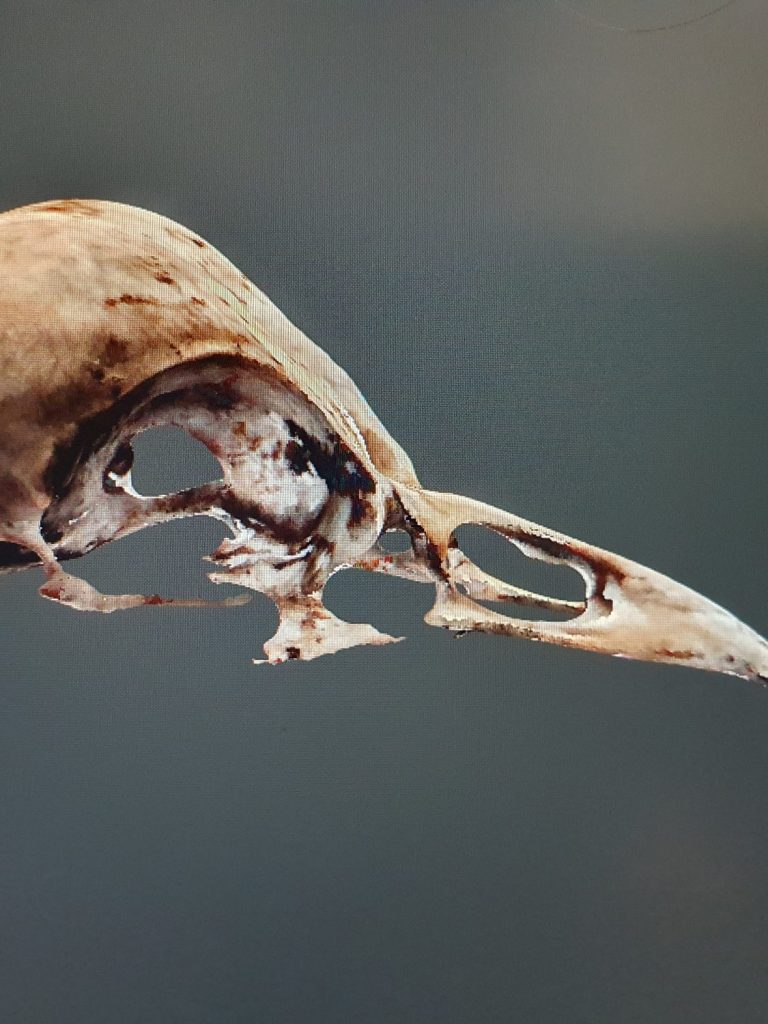
Model making has evolved significantly with the integration of advanced technologies such as LiDAR and photogrammetry, particularly in the realm of 3D printing. LiDAR, or Light Detection and Ranging, utilises laser pulses to capture precise three-dimensional data of an object or environment, creating intricate point clouds that serve as the foundation for detailed models. Similarly, photogrammetry employs photographs taken from multiple angles to generate 3D representations. Together, these techniques enable the production of highly accurate digital models, which can be easily transformed into physical objects through 3D printing.
The incorporation of Internet of Things (IoT) technology further enhances the model-making process. By enabling real-time data collection and analysis, IoT devices can provide valuable insights into the characteristics of the scanned models, facilitating iterative improvements and customisations. This merging of traditional model design with cutting-edge technologies allows creators to achieve unprecedented levels of detail and functionality, paving the way for innovative applications across various industries, from architecture to heritage conservation.
3d
printing
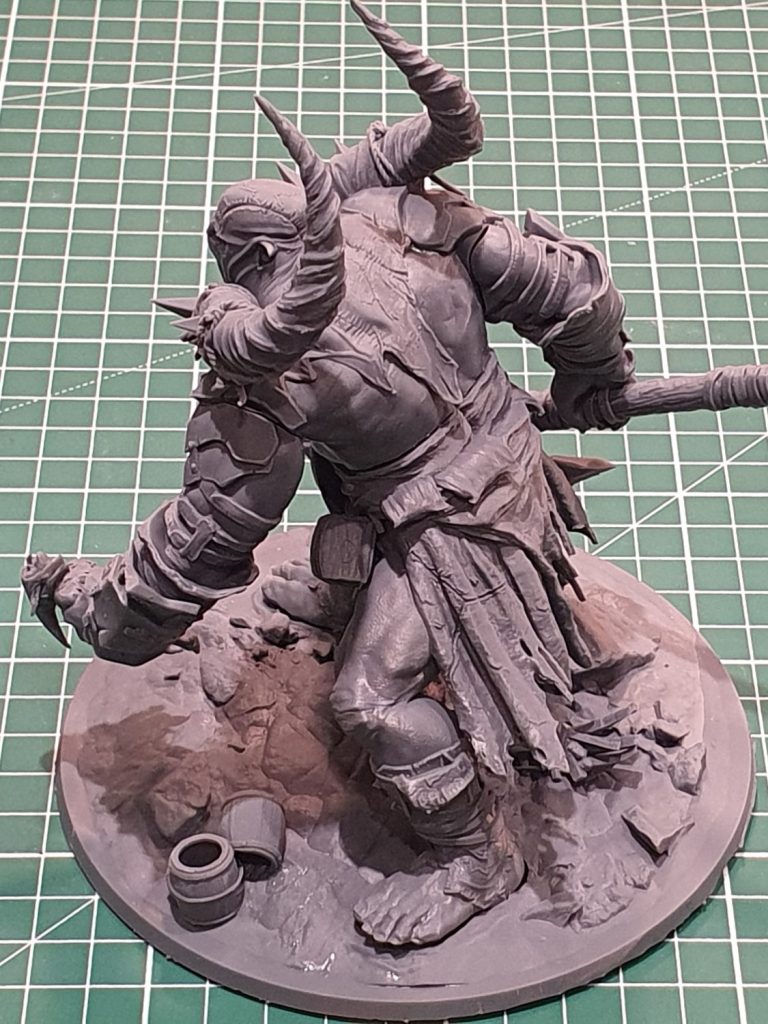
MSLA (Masked Stereolithography) and FDM (Fused Deposition Modelling) printing have revolutionised the creation of bespoke components and models in the realm of 3D printing. These advanced techniques allow for high precision and detail, enabling designers and engineers to produce tailored solutions for a variety of applications. MSLA, known for its rapid processing and ability to create intricate designs with smooth finishes, pairs exceptionally well with FDM's robust construction capabilities. Together, they offer a versatile approach to building customised parts that meet specific requirements.
When integrated with point cloud scanning technology, the possibilities for bespoke creation expand even further. Point cloud scanning allows for the accurate capture of existing objects or environments, converting them into 3D digital models that can be used for replication or modification. This seamless transition from scanning to printing facilitates the development of highly personalised components, seamlessly merging real-world data with digital fabrication. Furthermore, the incorporation of IoT technology enhances this process, enabling smart connectivity and data integration throughout the design and manufacturing stages. This synergy not only optimises efficiency but also fosters innovation in bespoke 3D printing solutions across various industries.
CNC
and Laser Cutting
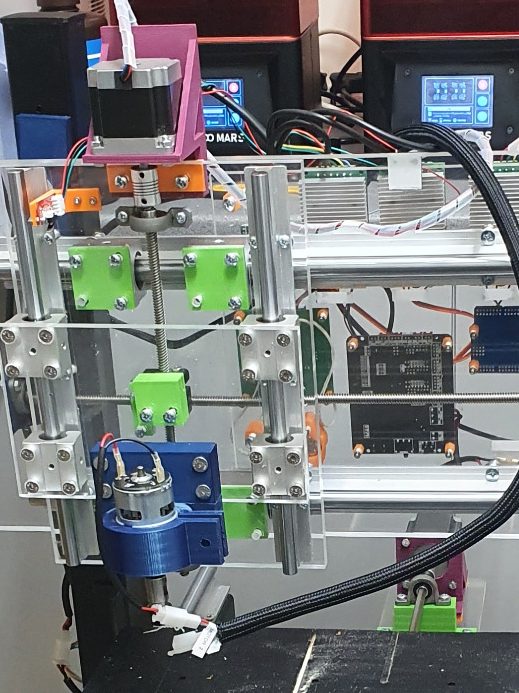
Laser cut and CNC machined models play a pivotal role in the realm of 3D printing, especially when combined with point cloud scanning technologies. These methods enable the creation of highly detailed and precise prototypes that are essential for various applications, from industrial design to custom consumer products. By utilising laser cutting, intricate designs can be achieved effortlessly, while CNC machining ensures durability and dimensional accuracy, making the end products both aesthetically pleasing and functionally robust.
The integration of IoT technology further enhances the potential of laser cut and CNC machined models by enabling real-time data collection and analysis. This synergy allows for smarter manufacturing processes, where models can be monitored and optimised remotely for efficiency and quality control. As 3D printing continues to evolve, the collaboration of these technologies not only streamlines production but also fosters innovation across multiple industries in the UK and beyond.